The operational work behind your care team, done for you.
Untether turns the manual coordination behind your workforce into automated workflows. Set a trigger and AI runs the whole chain: message the right people, update the record, provision access, take action in your other systems. It runs on one unified workforce dataset, so it acts on the full picture of licenses, coverage, and demand, not a fragment.
Why it's different
Alerts tell you something happened. Untether handles it.
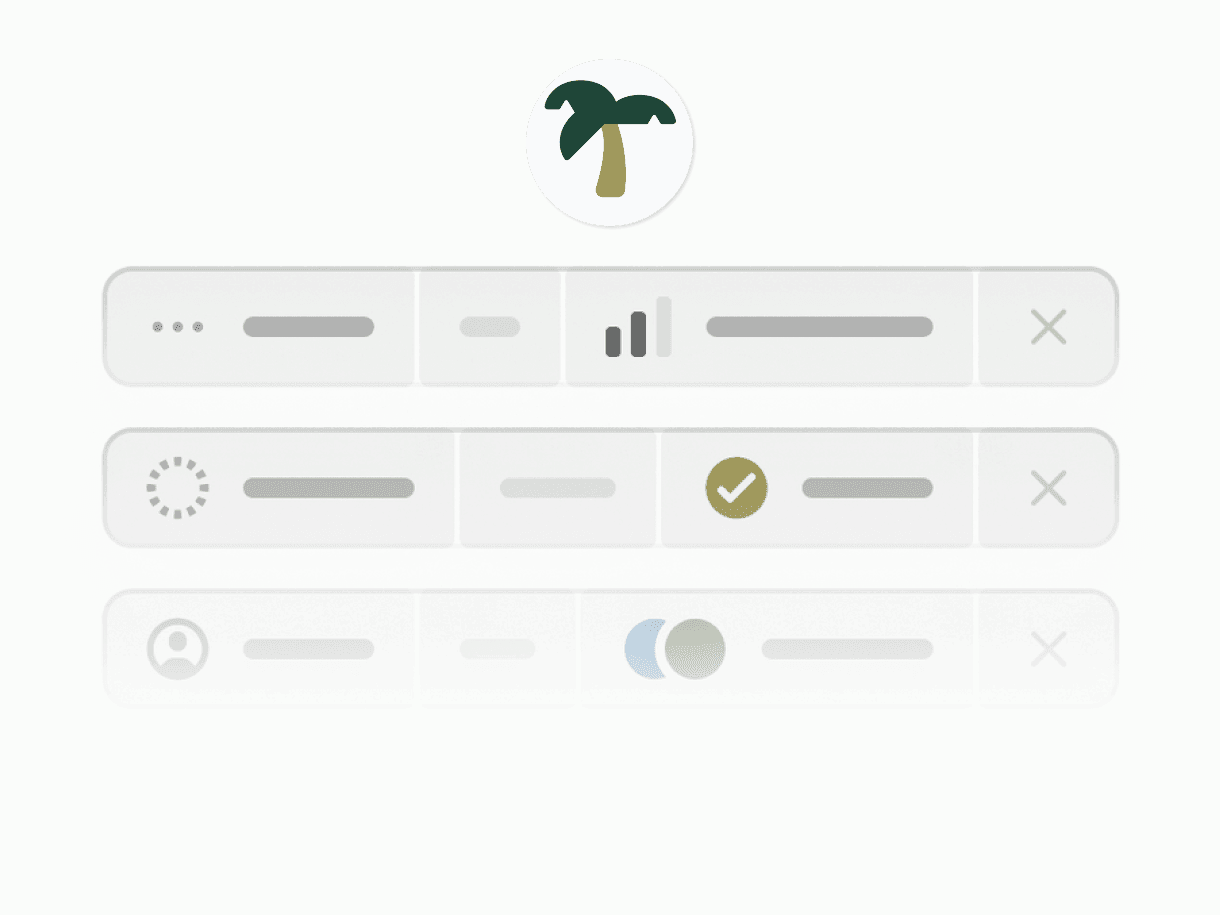
Most systems notify a human and wait, so the work still lands on someone's plate. Untether takes the action. It runs every step automatically and only pulls in a person when real judgment is needed. Because it runs on your full workforce data, it knows enough to act correctly, not just raise a flag.
One example
A provider's license expires in 30 days. A generic tool sends an email and moves on. Untether knows their upcoming schedule, so it pulls them from shifts they would no longer be licensed to cover, opens a renewal task for credentialing, notifies the provider, and surfaces the coverage gap before it ever touches patient access. One trigger. The whole chain. No coordinator.
Triggers
Trigger on anything that happens in your workforce
Callouts, license expirations, new hires, terminations, coverage gaps, timesheet exceptions, PTO approvals, schedule changes. If it happens in your workforce, it can start a workflow. Combine conditions so it fires on exactly the moment you mean, not a noisy catch-all.
Actions
One trigger runs the entire chain
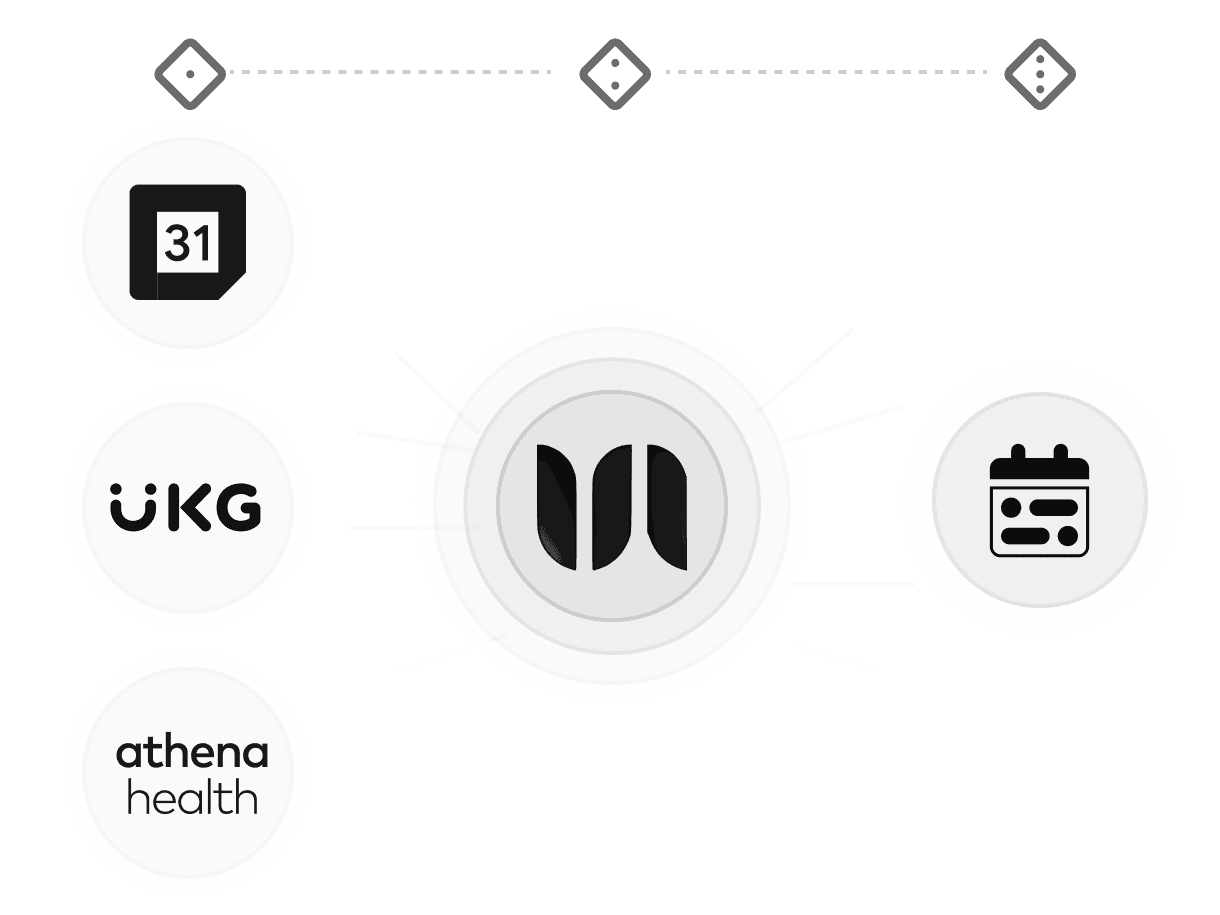
A single workflow can message across Slack, SMS, email, and mobile push, create and assign tasks, update employee records, run the full joiner-mover-leaver lifecycle, enforce role-based access, and execute actions in your payroll, HRIS, and EHR by API. Multi-step operations that used to take a coordinator a day run in seconds.
Built on your full data
It acts on the whole picture, safely
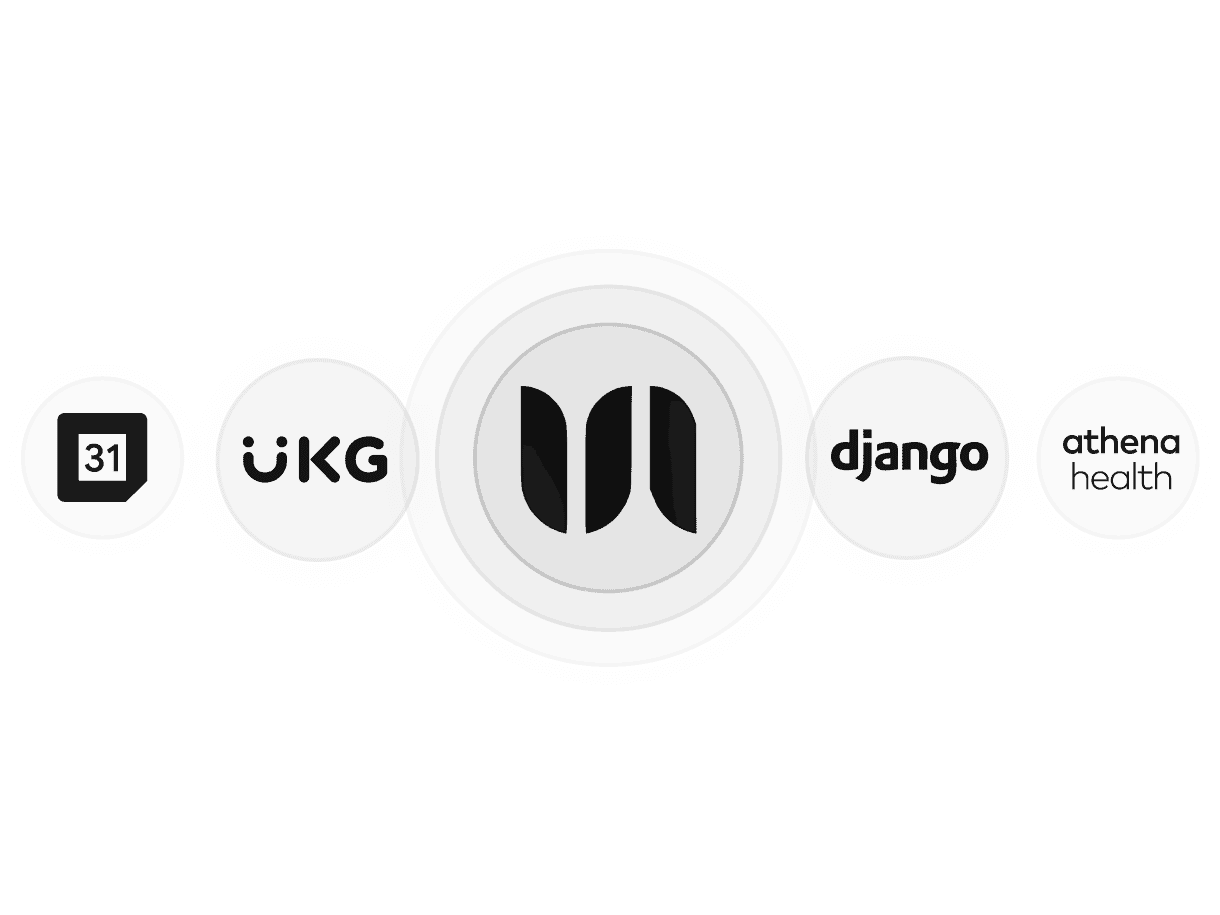
Every workflow runs on one unified workforce dataset and respects role-based permissions on every action. Personalize by role, region, license, and employment class. Finance catches payroll exceptions before the run. HR gets onboarding and offboarding done. Ops keeps coverage protected. A human stays in the loop wherever judgment matters.
Workflows telehealth teams run on day one
- TriggerLicense expires in 30 daysUntether automatically
Pull the affected shifts, open a credentialing renewal task, notify the provider, and flag the coverage gap.
- TriggerProvider calls outUntether automatically
Find eligible, licensed backups, offer the open shift, and update coverage the moment it is filled.
- TriggerNew hire signedUntether automatically
Kick off onboarding, provision role-based access, and create first-week tasks across HR and IT.
- TriggerTimesheet exceptionUntether automatically
Route it to the right manager, request a correction, and hold it out of payroll until it is resolved.
- TriggerCoverage drops below targetUntether automatically
Alert ops, surface qualified staff to add, and rebalance the schedule before patients feel it.
- TriggerTermination approvedUntether automatically
Run the full offboarding chain: revoke access, close out shifts, and finalize the record in payroll and HRIS.
The back office, running itself
* Results from one of North America's largest virtual care providers.
FAQs
Generic automation moves data between apps, but it acts on fragments. Untether runs on one unified workforce dataset, so a workflow sees your licenses, coverage, schedules, and demand together. It does not just pass a record between tools. It takes the correct action because it can see the whole picture, and it respects role-based permissions on every step.
Yes. By default Untether takes the action and only pulls in a person when real judgment is needed. You choose which steps require approval, so a human stays in the loop wherever it matters.
Anything that happens in your workforce: callouts, license expirations, new hires, terminations, coverage gaps, timesheet exceptions, PTO approvals, and schedule changes. You can combine conditions so a workflow fires on exactly the moment you mean.
A workflow can message across Slack, SMS, email, and mobile push, create and assign tasks, update employee records, enforce role-based access, and execute actions in your payroll, HRIS, and EHR by API.
Every workflow runs on one unified dataset and respects role-based permissions on every action, so access stays consistent across systems and people only see what they should.
See your back office run itself
Tell us the manual work eating your team's week, and we'll show you the workflow that does it for you.
Request a demo